 English
 Español
  Português
  русский
  Français
  日本語
日本語  Deutsch
  tiếng Việt
  Italiano
  Nederlands
  ภาษาไทย
  Polski
  한국어
한국어  Svenska
  magyar
  Malay
Malay  বাংলা ভাষার
  Dansk
Dansk  Suomi
Suomi  हिन्दी
  Pilipino
  Türkçe
  Gaeilge
  العربية
  Indonesia
  Norsk
Norsk  تمل
تمل  český
český  ελληνικά
  український
  Javanese
  فارسی
فارسی  தமிழ்
தமிழ்  తెలుగు
  नेपाली
  Burmese
  български
  ລາວ
ລາວ  Latine
  Қазақша
  Euskal
  Azərbaycan
  Slovenský jazyk
  Македонски
  Lietuvos
  Eesti Keel
  Română
  Slovenski
  मराठी
मराठी  Srpski језик


How Are Handheld Garment Steamers Changing Everyday Clothing Care Habits?
Handheld garment steamers have become an increasingly visible category within the global fabric care market, driven by changes in living spaces, travel frequency, and consumer expectations for garment maintenance. Unlike traditional ironing systems, a handheld garment steamer is designed to deliver controlled steam in a compact, portable form, allowing users to relax fabric fibers and reduce wrinkles through moisture and heat rather than direct pressure.
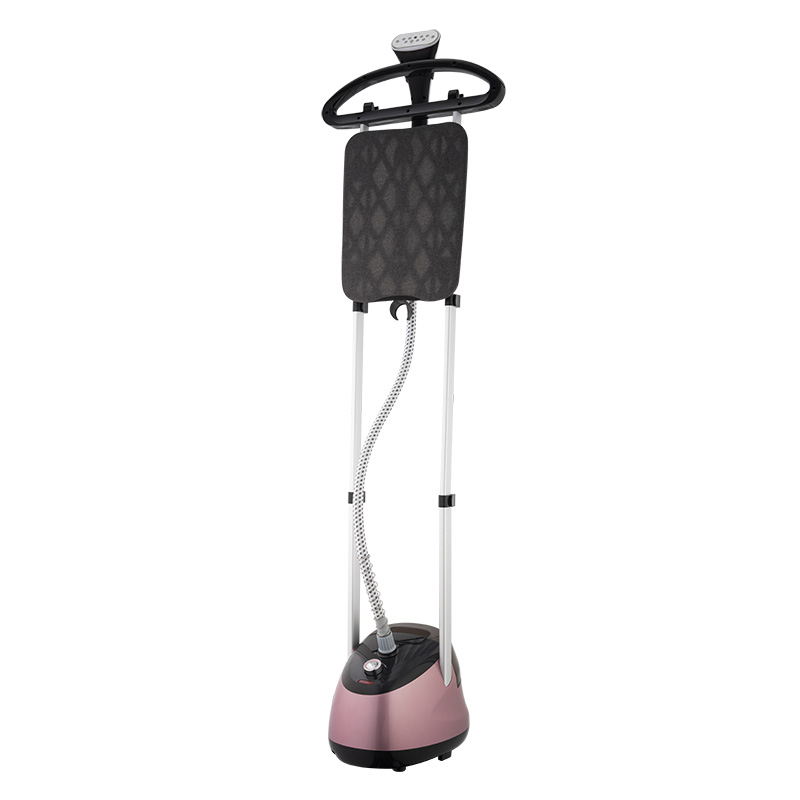
How Does a Handheld Garment Steamer Fit Into Daily Fabric Care Routines?
A handheld garment steamer is engineered for users who require fast, flexible garment care without dedicating space or time to a full-size ironing system. Its role within daily routines is closely tied to convenience, adaptability, and material compatibility. Steam penetrates fabric fibers, relaxing their structure and allowing wrinkles to release naturally under gravity, which is particularly relevant for delicate textiles such as silk, chiffon, wool blends, and synthetic fibers commonly found in contemporary wardrobes.
From a technical standpoint, the device integrates a compact heating element, a water reservoir, and a steam delivery system within a lightweight housing. Once powered on, water is heated to generate continuous or on-demand steam, which is then directed through a nozzle plate toward the garment surface. This process is effective for vertical steaming, enabling users to treat clothes directly on hangers, curtains while mounted, or upholstery in place.
Below is a representative specification overview illustrating typical parameters for a professional-grade handheld garment steamer:
| Parameter | Specification Range |
|---|---|
| Rated Power | 1200–1600 W |
| Voltage | 110–120 V / 220–240 V |
| Heat-Up Time | 20–35 seconds |
| Steam Output | 18–25 g/min |
| Water Tank Capacity | 120–200 ml |
| Continuous Use Time | 8–12 minutes |
| Net Weight | 0.8–1.2 kg |
| Steam Temperature | Approx. 98–105°C |
| Materials | ABS housing, stainless steel heating plate |
| Safety Features | Auto shut-off, overheat protection |
These parameters reflect a balance between portability and performance. A compact water tank supports short but efficient steaming sessions, while rapid heat-up time aligns with on-demand usage before work, meetings, or travel. The design emphasis is not on replacing industrial pressing equipment, but on addressing everyday garment presentation needs with minimal setup.
How Is Steam Technology Applied to Different Fabric Types?
Understanding how steam interacts with textiles is critical to evaluating the application scope of a handheld garment steamer. Steam works by introducing moisture and heat, which temporarily loosens the hydrogen bonds within fabric fibers. Once these bonds relax, wrinkles can release without the friction and compression associated with ironing.
Natural fibers such as cotton and linen typically require higher steam output due to their dense weave and moisture absorption capacity. Handheld steamers designed within the upper power range can generate sufficient steam volume to treat these materials effectively in multiple passes. Wool and cashmere respond particularly well to steam, as it refreshes fibers and helps restore natural loft without flattening the surface.
Synthetic fabrics, including polyester and nylon, benefit from controlled steam application. Direct contact with a hot iron plate can cause shine or melting, whereas non-contact steaming reduces this risk. For blended fabrics, steam offers a balanced solution by accommodating different fiber behaviors within the same garment.
From an operational perspective, the angle and distance of the steamer head play a role in results. Vertical steaming allows gravity to assist wrinkle release, while light tension applied by hand can further enhance effectiveness. Many handheld models incorporate a stainless steel or ceramic-coated steam plate to stabilize steam distribution and prevent water spotting.
This versatility explains why handheld garment steamers are increasingly considered for use across residential, hospitality, and retail environments, where diverse fabrics are handled daily and time efficiency is a priority.
How Do Design and Portability Influence Usage Scenarios?
Design considerations directly shape where and how a handheld garment steamer is used. Compact dimensions and reduced weight make the device suitable for small apartments, dormitories, and travel luggage, while foldable or detachable components further enhance portability. In markets where living spaces are limited, this form factor aligns well with consumer preferences for multi-functional, easy-to-store appliances.
Ergonomic handle design supports extended use without fatigue, and balanced weight distribution ensures stable handling during vertical steaming. Water tank transparency is another practical feature, allowing users to monitor water levels and avoid dry heating. For frequent travelers, dual-voltage compatibility expands usability across regions without additional converters.
Safety engineering is an essential component of design. Auto shut-off mechanisms activate when the unit overheats or runs out of water, reducing operational risk. Insulated housings and controlled steam pathways help maintain external surface temperatures within acceptable limits during use.
From a market perspective, these design elements position handheld garment steamers as tools not only for home users, but also for professionals such as stylists, boutique staff, and hospitality personnel who require quick garment refresh solutions between uses.
How Should Buyers Evaluate Practical Questions Before Use?
Q: How long can a handheld garment steamer operate continuously on one water refill?
A: Continuous operation time typically ranges from 8 to 12 minutes, depending on water tank capacity and steam output. This duration is generally sufficient for several garments, such as shirts, dresses, or light outerwear. For heavier fabrics, refilling may be required to maintain consistent steam delivery.
Q: Can a handheld garment steamer be used safely on embellished or structured garments?
A: Yes, when used correctly. Steam is suitable for many embellished garments, provided the nozzle is kept at an appropriate distance and direct contact with sensitive decorations is avoided. Structured garments with interlinings should be steamed cautiously to prevent moisture buildup within layers. Testing on an inconspicuous area is recommended for unfamiliar materials.
These common considerations highlight the importance of aligning product specifications with actual usage patterns. Evaluating power, steam output, and safety features helps ensure that the selected device meets both performance expectations and fabric care requirements.
As handheld garment steamers continue to gain attention across consumer and professional markets, manufacturers are refining performance, durability, and design to meet evolving expectations. Within this context, Meiyu focuses on delivering handheld garment steamer solutions that emphasize stable steam output, reliable safety systems, and practical design for everyday use. For further product information, technical specifications, or cooperation inquiries, interested parties are encouraged to contact us to discuss tailored solutions and support options.
Send Inquiry



X
We use cookies to offer you a better browsing experience, analyze site traffic and personalize content. By using this site, you agree to our use of cookies.
Privacy Policy
-
Email
-
Call Us
-
Address
No. 698, Yu'an Road, Zhouxiang Town, Cixi City
Inquiry For PriceList
If you are interested in our products, like garment steamer, vertical garment steamer, handy garment steamer, you can consult us by email, and we will reply you within 24 hours.